
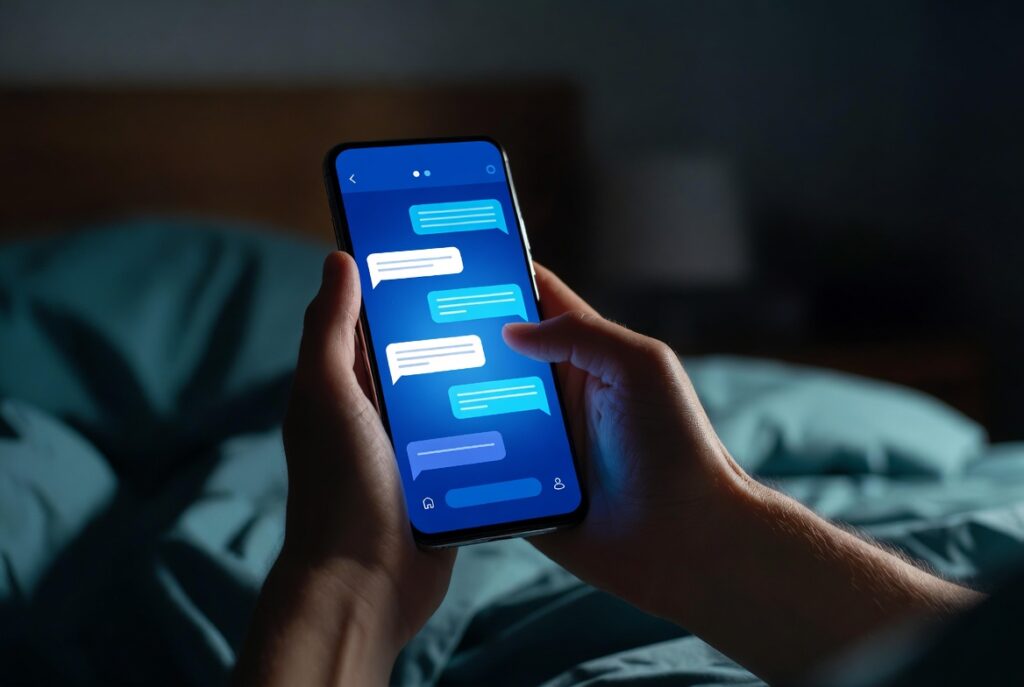
AI chatbots like ChatGPT, Character.AI, and Google Gemini are quickly becoming part of everyday life for American teens.
A December 2025 Pew Research Center survey found that about 64% of U.S. teens ages 13–17 have used an AI chatbot, with roughly 3 in 10 using them every day. These tools can be genuinely helpful – teens often turn to them for homework help, brainstorming ideas, explaining difficult concepts, or quick answers to everyday questions.
But alongside these benefits, experts are raising growing concerns about how teens interact with AI – especially when chatbots begin filling emotional or social roles.
Why Teens Are Turning to Chatbots
For many teens, AI is more than a study tool. Some use chatbots as companions to talk about feelings, problems, or everyday life. Aura’s 2025 State of the Youth report, based on device data and family surveys, found that about 42% of adolescent AI use involves companionship or emotional support.
At first glance, this may seem harmless – or even helpful. But experts warn that heavy reliance on AI for emotional connection can create risks, particularly during adolescence when social skills, empathy, and identity are still developing.
How Heavy Chatbot Use Can Affect Teens
The teenage years are when young people learn critical interpersonal skills, including reading body language, developing empathy, resolving conflicts, and building real relationships.
Chatbots are designed primarily to keep conversations engaging and responsive – they often agree with users or respond in ways that maintain interaction rather than challenge it. Because of this, experts worry that chatbots may sometimes reinforce unhealthy ideas, provide inaccurate or misleading information, or blur the line between simulated and real relationships.
In sensitive areas – such as violence, sexual content, or self-harm – responses can vary significantly depending on the platform and its safety systems. Researchers and mental health professionals have documented troubling cases involving disturbing role-play scenarios, explicit or inappropriate content, and conversations that fail to redirect harmful discussions.
These issues gained national attention during a 2025 U.S. Senate Judiciary Subcommittee hearing on AI chatbot harms, where grieving parents described cases involving teens who had prolonged, emotionally intense interactions with chatbots during mental health crises, some tragically ending in suicide.
Potential Mental Health Risks
When teens begin relying heavily on AI for emotional support, several risks may emerge:
- Increased social isolation
- Disrupted sleep from late-night conversations
- Over-attachment to AI “friends”
- Misinformation about mental health
In extreme cases, clinicians have reported symptoms sometimes described informally as “AI-related delusional thinking,” where heavy immersion in chatbot conversations contributes to distorted perceptions of reality.
Important: AI tools are not therapists and should never replace professional mental health care.
How Parents Can Help Teens Use AI Safely
The good news: parents don’t need to be AI experts to help their kids use these tools responsibly. Here are practical steps that make a real difference.
Keep the Conversation Open
Start early and stay curious. Ask questions like:
- “What AI apps are your friends using?”
- “What do you like about them?”
- “What kinds of things do you ask them?”
Regular, non-judgmental conversations help teens feel comfortable sharing if something goes wrong.
Teach AI Literacy
Help teens understand that AI systems aren’t perfect. Chatbots can:
- Make factual mistakes (“hallucinate”)
- Reflect bias in their training data
- Give incomplete or misleading advice
Encourage teens to double-check important information with teachers, reliable sources, or trusted adults.
Use Accounts With Built-In Safeguards
Many AI platforms offer age restrictions, content filters, parental tools, or minor-specific account settings. Encourage teens to use real accounts rather than anonymous access, so safety features can apply. Since new chatbots appear constantly, keep asking which apps they’re using.
Set Healthy Boundaries
AI chats can be highly engaging – sometimes to the point of overuse. Consider household rules such as:
- No chatbot use late at night
- Daily time limits
- No AI during school or family time
Clear boundaries help ensure AI remains a tool rather than a substitute for real-life interaction.
Watch for Warning Signs
Some teens may be more vulnerable to over-reliance on AI, particularly those struggling with loneliness, anxiety, depression, or social difficulties. Possible warning signs include:
- Withdrawing from friends or family
- Sudden mood changes
- Excessive chatbot use
- Difficulty stopping conversations
If these signs appear, talk with a pediatrician or licensed mental health professional.
Support Stronger Protections
Parents cannot manage these risks alone. Many experts say technology companies need stronger safeguards for young users, and policymakers are increasingly examining the issue. Several bipartisan proposals in Congress – including the GUARD Act (introduced 2025) and elements of the KIDS Act (advanced in early 2026) – aim to improve protections for minors using AI systems, including age verification, clear disclosures that users are interacting with AI, crisis referral mechanisms, content limits for minors, and greater accountability for harmful interactions.
The Bottom Line
AI tools at home can offer real opportunities for learning, creativity, and productivity. But like any powerful technology, they work best when families stay involved and informed.
By maintaining open communication, setting healthy limits, and helping teens understand how AI works, parents can help their kids benefit from the technology while reducing potential risks.
If a teen is in crisis: Contact the 988 Suicide & Crisis Lifeline by calling or texting 988 in the United States. Support is free, confidential, and available 24/7.
AIatHome.com Content Disclaimer
This article is for general informational purposes only and is not professional advice. AI tools may have assisted with research, drafting, or editing. Always consult a licensed professional for medical, financial, legal, tax, or other regulated matters before taking action. Information is current as of the publication date but may change. Use at your own discretion. AIatHome.com makes no guarantees about accuracy or suitability for your specific situation.