
In the age of smart homes, artificial intelligence can feel almost magical. Your thermostat learns your habits. Your security cameras recognize faces. Your voice assistant answers questions in seconds.
But behind every AI-powered convenience lies a vast network of data centers packed with powerful processors and servers. These facilities – many built specifically to run advanced AI models—are expanding at a staggering pace.
And surprisingly, one of the beneficiaries of this AI boom isn’t a tech company.
It’s silver.
As demand for AI infrastructure surges, the humble precious metal – long used in electronics – has become a critical ingredient in the hardware powering the modern AI economy. With silver recently trading in the $80–$85 per ounce range – and having briefly spiked much higher earlier in 2026 – investors are paying attention.
Could artificial intelligence be contributing to a long-term silver boom?
And if so… should you start stacking silver coins?
Quick Answer: Is AI Driving Silver Demand?
Artificial intelligence isn’t the largest driver of silver demand today, but it is becoming an important one. AI servers, GPUs, and data centers rely on high-performance electronics that use small amounts of silver in connectors, circuit boards, and conductive materials. As global investment in AI infrastructure accelerates, this technology sector is contributing to broader industrial demand for the metal alongside solar energy, electric vehicles, and consumer electronics.
The Hidden Metal Inside the AI Revolution
Artificial intelligence ultimately runs on hardware – lots of it.
Training large AI models requires enormous clusters of processors and servers. Tech companies and cloud providers are racing to build more infrastructure to keep up with demand.
Companies like Nvidia sit at the center of this expansion. Their GPUs power many of the AI training systems used by cloud providers and research labs worldwide.
Inside these machines are thousands of components that rely on silver.
Silver is the most electrically conductive metal on Earth, making it extremely valuable in high-performance electronics. In AI servers and related hardware, silver appears in components such as:
- circuit board traces
- conductive pastes and solder materials
- high-reliability connectors
- switches and relays
- power distribution systems
Each individual device may contain only a small amount of silver, but the scale of AI infrastructure multiplies the demand.
A single hyperscale data center can contain tens of thousands of servers, each packed with circuit boards, connectors, and power systems. Multiply that across the global race to build AI infrastructure, and the metal demand adds up quickly.
The Explosive Growth of AI Data Centers
To understand why materials demand is rising, it helps to look at the scale of AI infrastructure.
Over the past decade, cloud providers have dramatically expanded hyperscale data centers capable of running massive AI workloads. These facilities often consume hundreds of megawatts of electricity and contain thousands of racks filled with servers and specialized processors.
Industry analysts estimate that global data center power capacity has grown from relatively modest levels in the early 2000s to tens of gigawatts today, with much of the newest expansion focused on AI computing.
Each of those facilities represents an enormous concentration of electronic hardware – motherboards, power systems, networking equipment, and cooling infrastructure – all of which rely on advanced conductive materials.
In other words, the AI boom isn’t just about software models.
It’s about building physical infrastructure at planetary scale.
Silver Demand Is Rising Across the Technology Economy
Silver occupies a unique position in the commodities world because it plays two roles at once:
- Industrial metal
- Precious monetary metal
More than half of global silver demand already comes from industrial uses. Major sectors include:
- electronics and semiconductors
- solar panels
- electric vehicles
- telecommunications infrastructure
- medical technology
AI data centers fall squarely into the electronics and semiconductor ecosystem, which has been expanding rapidly in recent years.
Meanwhile, global silver supply faces structural limits. Most silver isn’t mined directly—it’s produced as a byproduct of mining for other metals such as copper, lead, and zinc. That means production can’t easily ramp up simply because silver prices rise.
When multiple industries – from renewable energy to advanced computing – are all competing for the same metal, supply pressures can build quickly.
The Numbers Behind the Silver Market
Global silver demand typically exceeds one billion ounces per year, with industrial applications representing the majority of consumption. Electronics alone account for a substantial portion of that demand, and technologies tied to electrification – from solar panels to advanced computing – continue to expand their share.
At the same time, new silver mines take years or even decades to develop, and most supply still comes as a byproduct of other mining operations. This combination of growing industrial demand and constrained supply growth has created persistent deficits in several recent market analyses.
AI hardware is unlikely to dominate silver demand on its own, but when combined with solar energy, electric vehicles, and the broader electronics sector, it contributes to a powerful structural trend: more advanced technology requires more conductive materials.
Is AI Really Driving the Silver Rally?
It’s important to keep the AI story in perspective.
Artificial intelligence is not the only driver of rising silver demand, and it may not even be the largest one today. Solar panels and electrification technologies currently consume enormous quantities of silver.
However, AI infrastructure could become an important incremental driver.
The key factor isn’t the silver used in a single server – it’s the scale of the AI buildout. Tech companies are investing tens of billions of dollars into new data centers, many designed specifically for AI workloads.
As these facilities multiply, demand for high-performance electronics – and the metals used inside them – grows alongside them.
In other words, AI may not dominate silver consumption today, but it is becoming part of the broader technological demand story.
Meet the “Stackers”
If you explore precious metals communities online, you’ll quickly encounter a passionate group known as stackers.
Stackers are investors who accumulate physical silver or gold over time, often storing it in safes or vaults as a hedge against inflation, financial instability, or currency devaluation.
Rather than trading paper assets, they literally stack coins and bars.
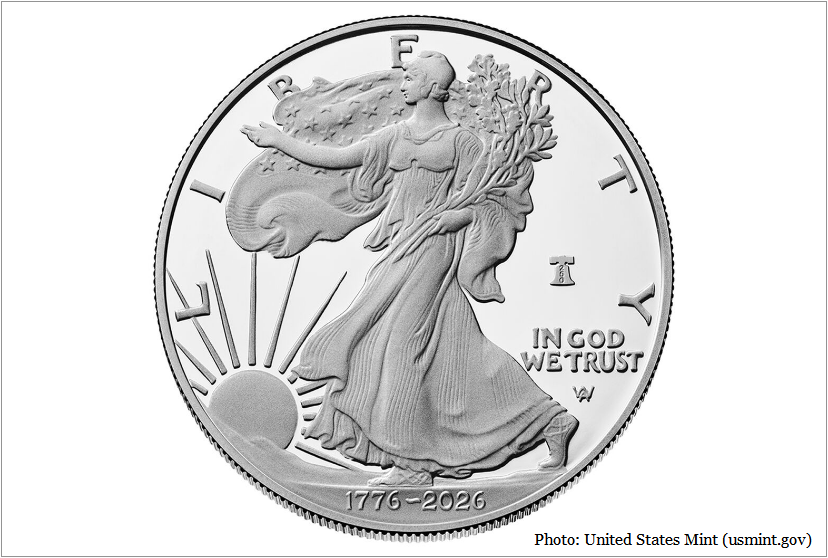
One of the most popular coins among stackers is the American Silver Eagle, produced by the United States Mint.
Each coin contains one ounce of .999 fine silver and features the iconic Walking Liberty design.
Stackers value these coins for several reasons:
- they are government-minted and widely trusted
- they are easy to recognize and sell
- they carry strong liquidity in the precious metals market
Online communities on platforms like Reddit and YouTube are filled with discussions about stacking strategies, secure storage, and buying during price dips.
For many enthusiasts, stacking is as much a philosophy of financial independence as it is an investment strategy.
The Investment Reality Check
Precious metals have a long history as stores of value, but they are not always the strongest performers compared with other investments.
Over long time periods, equities – particularly the U.S. stock market – have typically delivered stronger returns.
The S&P 500 has historically averaged roughly 10 – 12% annual returns over many decades when dividends are included.
Silver, by contrast, tends to move in long cycles of boom and bust. Prices can surge during periods of inflation or financial stress, but they may also stagnate for years.
Another factor is opportunity cost.
Unlike stocks or bonds, physical silver:
- does not pay dividends
- does not generate income
- may require secure storage or insurance
For investors seeking long-term wealth accumulation, this means precious metals often work best as a complement to other assets, rather than the core of a portfolio.
Silver vs. Gold: A Different Risk Profile
Within the precious metals world, investors frequently debate silver versus gold.
Gold tends to function primarily as a financial safe haven. Only a small portion of its demand comes from industry, so its price is heavily influenced by macroeconomic forces such as inflation, interest rates, and currency strength.
Silver behaves more like a hybrid asset.
Its price can move based on both:
- industrial demand
- investor sentiment
This dual role can make silver more volatile – but it can also produce stronger rallies when industrial demand surges.
If AI infrastructure continues expanding rapidly, silver’s industrial side could play a larger role in shaping its price.
Should You Start Stacking?
For many investors, the appeal of physical silver is simple: it’s tangible.
Unlike digital assets or brokerage accounts, silver is something you can physically hold. In uncertain times, that sense of security can be appealing.
Financial planners often suggest keeping precious metals as a small portion of a diversified portfolio, sometimes around 5 – 10%.
That approach allows metals to serve as a hedge while still leaving room for growth investments such as stocks or real estate.
Coins like American Silver Eagles are popular entry points because they are widely recognized and easy to trade.
But as with any investment, the key is balance – and a clear understanding of both the potential upside and the risks.
The Bottom Line
Artificial intelligence is reshaping the world in ways that extend far beyond software.
From smart homes to massive AI training clusters, the infrastructure behind this technological revolution depends on complex electronics – and those electronics often rely on silver.
Rising demand from AI hardware, solar energy, and electrification is helping reshape the global silver market, contributing to the metal’s powerful price surge in recent years.
Whether that trend continues will depend on many factors, from industrial demand to economic conditions.
But one thing is clear: the AI revolution isn’t just transforming algorithms.
It’s reshaping the physical materials that power our digital future.
And sometimes, the quietest winners in a technological revolution aren’t the companies writing the code…
…but the metals carrying the electricity behind the scenes.
AIatHome.com Financial Disclaimer
This article is provided for general informational and educational purposes only and should not be considered financial, investment, tax, or legal advice. Nothing contained in this article constitutes a recommendation, solicitation, or endorsement to buy, sell, or hold silver or any other asset. Artificial intelligence tools may have assisted with research, drafting, or editing portions of this content. Investing in silver, precious metals, or any financial asset involves substantial risk, including the potential loss of principal. Past performance is not indicative of future results, and market conditions can change rapidly. Readers should always conduct their own research and consult a qualified financial advisor, tax professional, or other licensed professional before making any investment decisions. The information presented is believed to be reliable but is provided “as is” without warranties of any kind. AIatHome.com makes no representations or guarantees regarding the accuracy, completeness, or suitability of the information for any individual financial situation. Use of this information is at your own risk, and no fiduciary relationship is created between the reader and AIatHome.com.